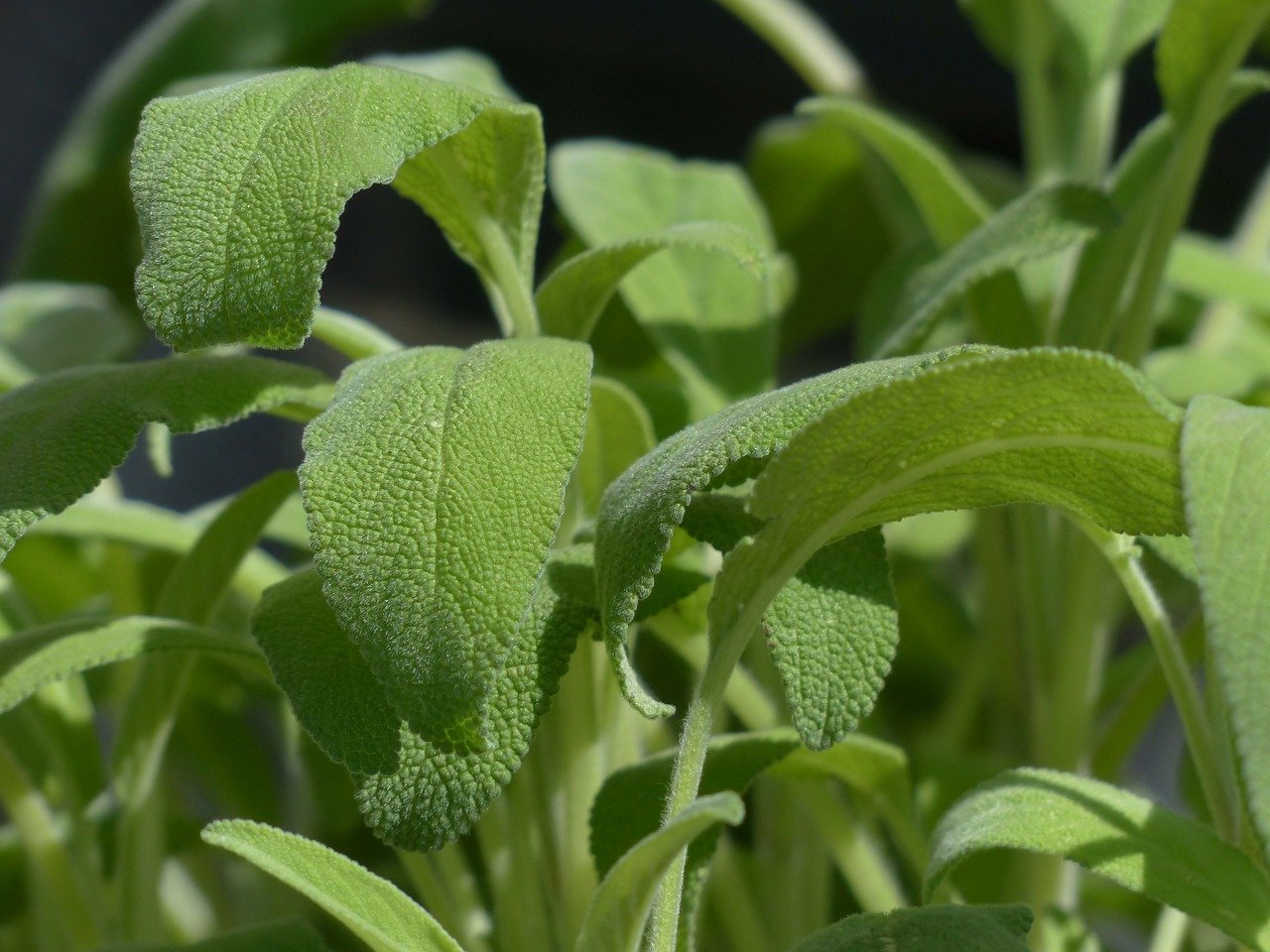
Common sage is grown in parts of Europe for distillation of an essential oil, although other species such as Salvia fruticosa may also be harvested and distilled with it. The essential oil contains cineole, borneol, and thujone. Sage leaf contains tannic acid, oleic acid, ursolic acid, carnosol, carnosic acid, fumaric acid, chlorogenic acid, caffeic acid, niacin, nicotinamide, flavones, flavonoid glycosides, and estrogenic substances.
Some research has suggested certain extracts of Salvia officinalis and S. lavandulaefolia may have positive effects on human brain function, improving memory and attention. These results have been seen laboratory research and in controlled clinical trials [Source].
|
|
Salvia officinalis has been used since ancient times for smudging that generally refers to the practice of burning herbal material for practical reasons. In the past smudging sage-brush was used as repelland for mosquitoes. |

Ahtri 12 - Tallin, 10151 HARJU COUNTY
R.iD 16065579